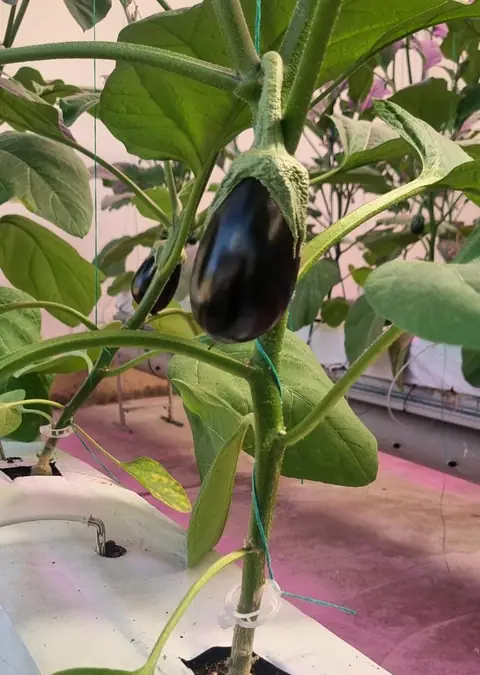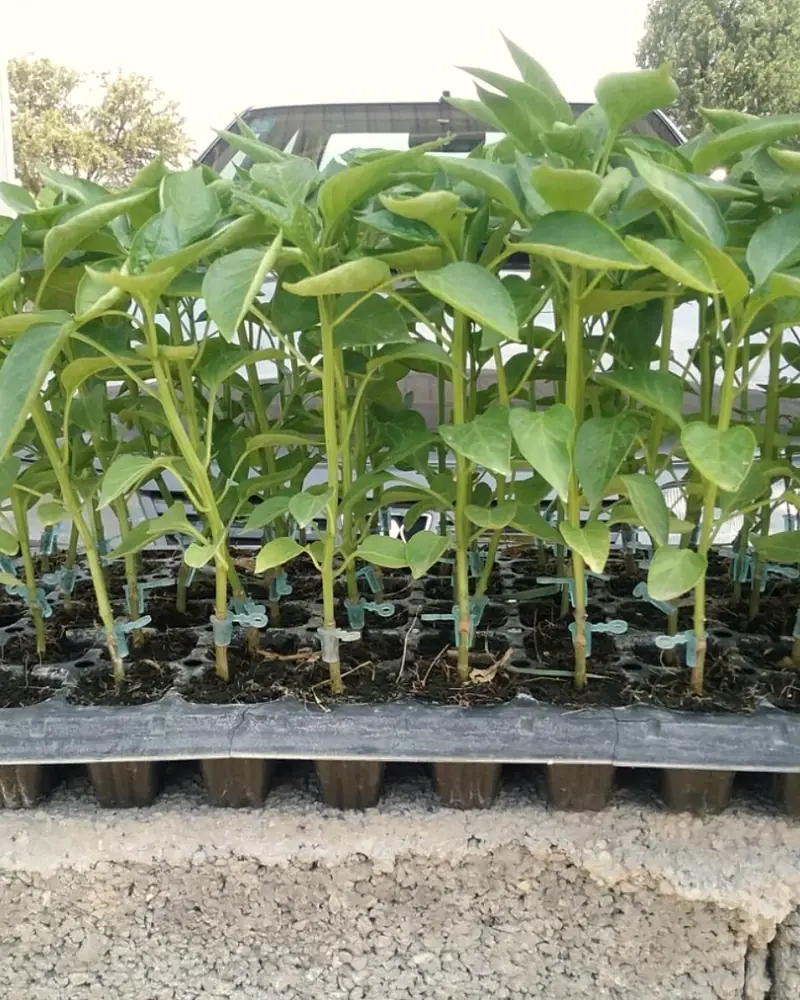
A tray of uniform grafted pepper seedlings with grafting clips

Strong roots.
Resilient crops.

Watermelon, tomato, cucumber, eggplant, melon and pepper — grafted onto rootstocks chosen for your crop, your soil and your season.

01 What grafting is

Two plants,
one stronger plant.

Grafting joins two plants into one. A rootstock chosen for its root system is united with a scion of the variety you want to harvest — so the plant carries the best of both.

It lets a crop grow well in conditions that would otherwise hold it back, and lifts its productive potential.

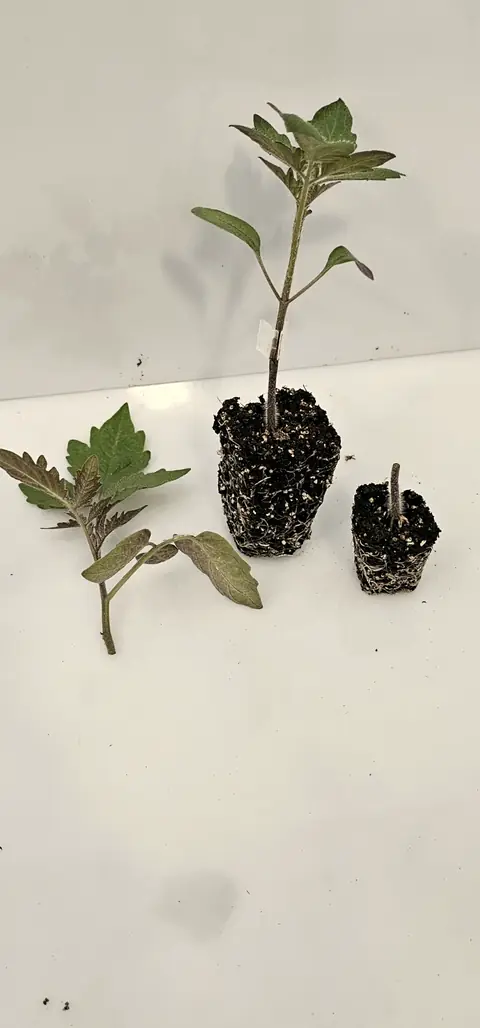
A scion, a grafted seedling and a rootstock side by side
  1. ScionThe variety: fruit, taste and market quality
  2. RootstockThe root system: vigour, tolerance, resistance
  3. Higher yieldA plant built for your conditions

02 Advantages

Technical gains.
Economic gains.

Grafting is one of the most effective tools a vegetable grower has — in open fields and in greenhouses.

  1. 01

    Vigour & disease resistance

    A grafted plant is more vigorous and resists soil-borne diseases that stop normal development.

  2. 02

    Soil & rotation limits

    It eases problems that come with the land itself, such as repeated cropping on the same soil.

  3. 03

    Clean from the start

    A strict production process keeps pathogens out from seed to delivery.

  4. 04

    Better fruit

    Visibly higher quality, quantity and size of fruit.

  5. 05

    Fewer plants per hectare

    Stronger plants allow planting density to be reduced — by up to half, depending on crop and system.

  6. 06

    Stress tolerance

    More tolerant of salinity and of too little or too much water — so water and nutrients are used more efficiently.

Expected benefits depend on the rootstock, pathogen pressure, environment and crop management. A grafting program starts with a defined production constraint and a rootstock selected for it.

03 Our grafted seedlings

Specified to
the centimetre.

Each crop has a technical card — a seedling's passport. Every batch is checked against it before it leaves the nursery.

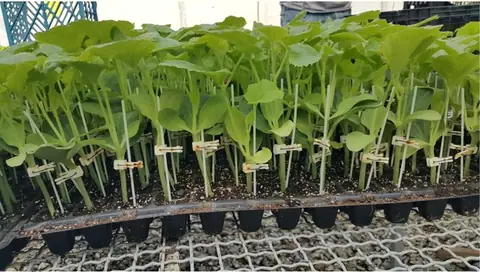
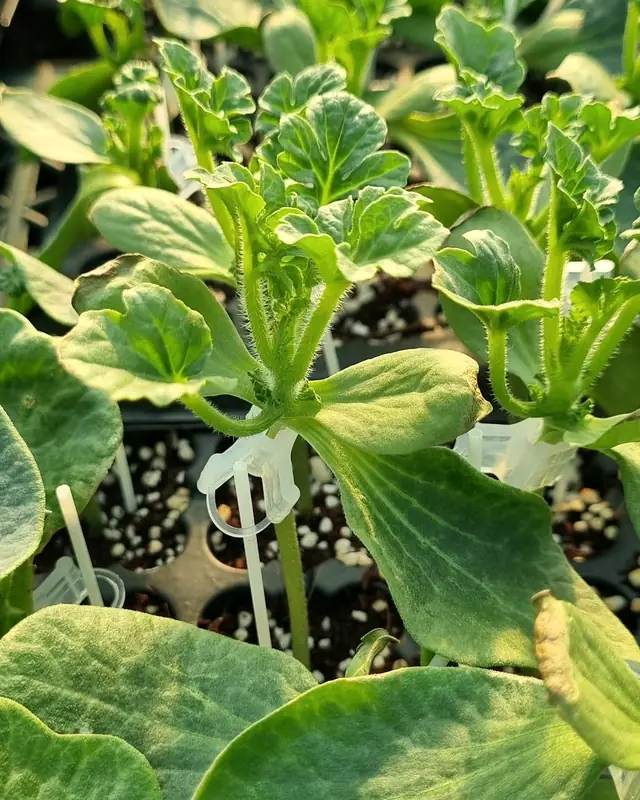
Grafted watermelon seedlings with grafting clips in a nursery tray

Technical card · Grafted watermelon

Watermelon

Open fieldGreenhouse
Seedling height
12–15 cm
Graft height above substrate
3–4.5 cm
Leaves
3.5–4.5
Roots
Full root ball — white, thick, growing downward, no circling

Our flagship crop: the strongest gains from grafting are seen in watermelon on Fusarium-affected soil.
Commercial availability and rootstock combinations are confirmed for each project after technical evaluation and production planning. Regular (non-grafted) seedlings of the same crops are produced to the same standards on request.

Field or greenhouse

Where each crop
is grown.

Our grafting priorities follow the way each crop is actually grown in the region.

CropOpen fieldGreenhouse
Watermelon
Tomato
Cucumber
Eggplant
Melon
Pepper

04 Committed to excellence

Quality is decided
before the graft.

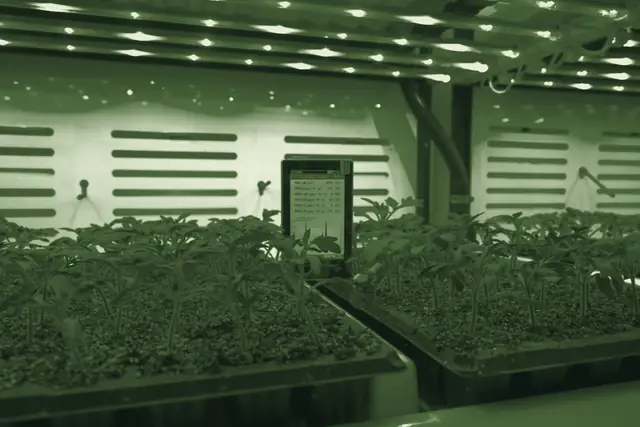
We monitor every stage of development. Work areas and staff follow strict hygiene so that the environment stays clean and the seedlings stay disease-free.

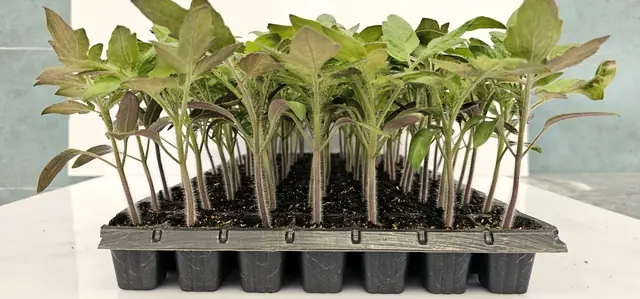
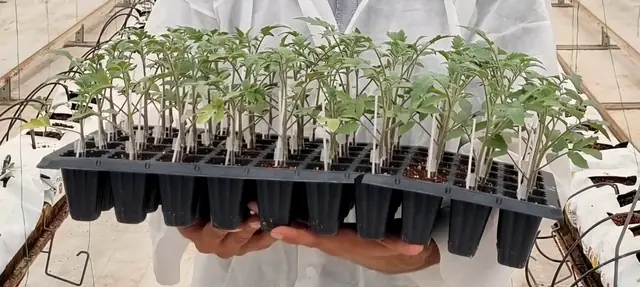
Uniform tomato seedlings ready for grafting
01

Uniform before grafting

Consistent stem diameter, balanced height and healthy colour show seedlings ready for precise grafting.

Scion, grafted seedling and rootstock
02

Matched diameters

Rootstock and scion of the same stem diameter align their cut surfaces, so the clip holds both securely and the vascular tissue reconnects.

Multi-tier healing chamber
03

Synchronized healing

Light, temperature, humidity and airflow are controlled tier by tier while the graft union forms.

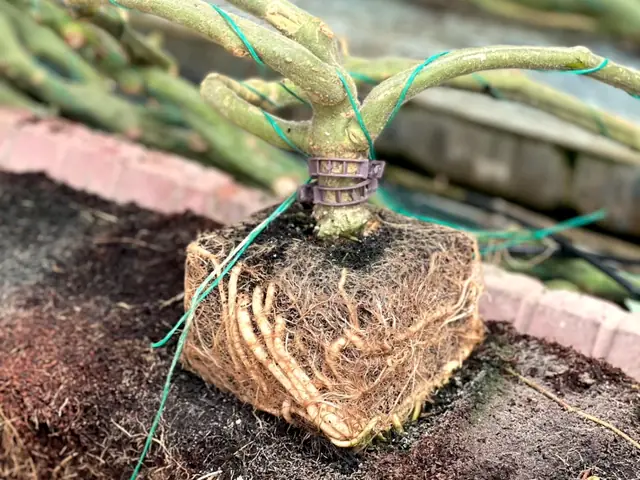
Exposed root ball of a grafted plum tomato with four trained stems

Rootstock capacity in practice

One root system.
Four productive stems.

A four-stem cluster plum tomato supported by a single vigorous rootstock. The exposed root ball, the visible graft union and four trained stems show how rootstock vigour can carry a larger productive canopy.

A field example, not a universal performance claim: plant response depends on rootstock–scion compatibility, environment, nutrition and training.

05 From nursery to field

We stay with the crop after delivery.

Seedling quality only pays off if establishment goes well. Our support is tailored to the crop, the site and your management system.

  1. 01Pre-transplant preparation and logistics
  2. 02Protective packaging for safe delivery
  3. 03Transplanting and establishment guidance
  4. 04Irrigation and early root-zone management
  5. 05Field monitoring and technical follow-up
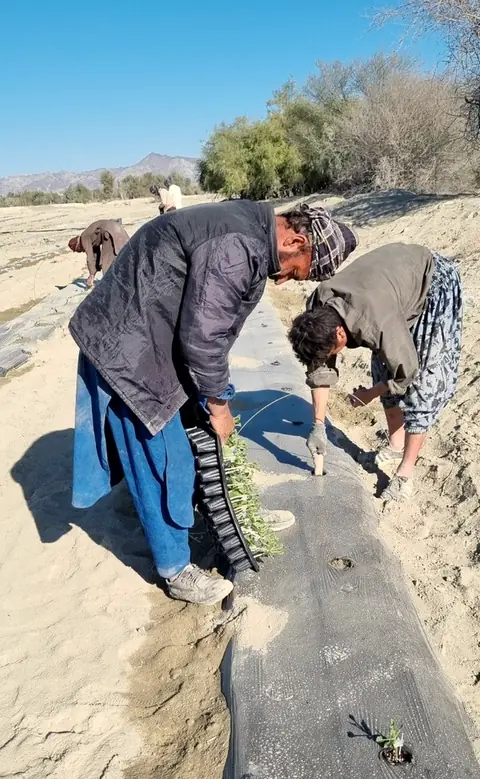
Transplanting grafted seedlings in a grower's field
Transplanting in the grower's field
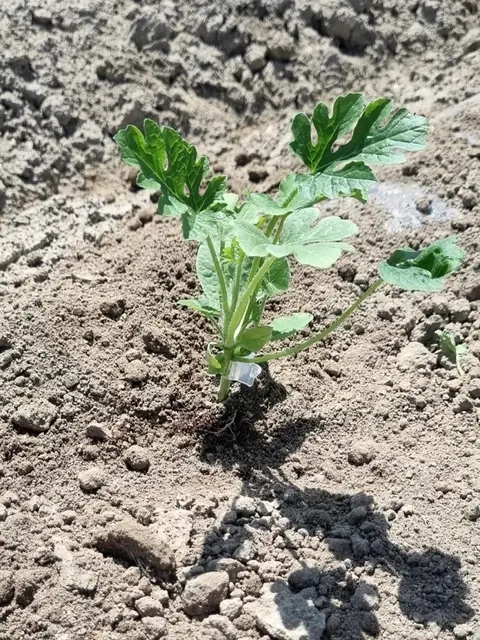
A grafted watermelon seedling established after transplanting
Early establishment

Before you order

Questions growers ask.

Does every field or greenhouse need grafted seedlings?

No. Whether grafting pays depends on the real production problem, the rootstock's traits, its compatibility with the variety, the environment and the cost of the crop. Salinity or a disease history alone does not make every grafted seedling the right choice.

Does grafting cure disease or salinity?

Grafting is one tool for managing some of these problems. Resistance or tolerance has to be checked for a specific rootstock and a specific cause. It does not replace good management of the root zone, water, hygiene and nutrition.

How are price and minimum order set?

We need the crop, the rootstock–scion combination, the quantity, the date you need the seedlings and the delivery location. Firm terms for each order follow from these.

When should I place my order?

Fix your transplanting date first. Production and preparation time differ by crop and schedule, so confirm delivery with us before you finalize your planting plan.

What should I check when the seedlings arrive?

Root and leaf health, the strength of the graft union, uniformity and growth stage. Transport conditions, site preparation and irrigation and nutrition after transplanting matter too.

Plan your season

Tell us about your crop.

Crop, quantity, transplanting date and location are enough for a first answer. We will get back to you.

Seedling enquiry

Crop
Growing system

Catalogue

The full story — facilities, research and field evidence.

Download catalogue · 5.5 MB
Catalogue Contact us